Wall Roman Site

What Remains at wall?

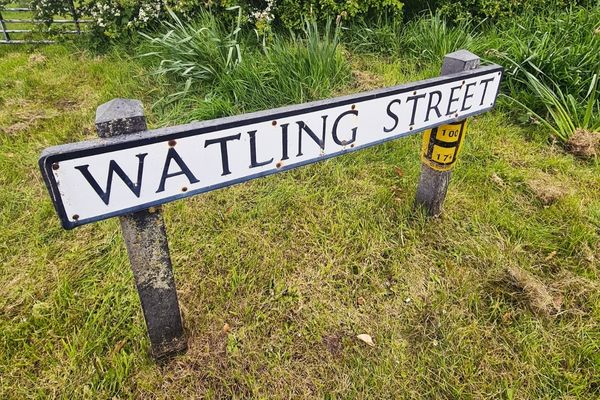
Today, all that is visible of the Roman settlement are the remains of a bath house and mansio, which were part of the Roman town of Letocetum, though it was originally an important military posting station. It was located on the Roman military road of Watling Street (now most of the A5) which led to North Wales, near to its junction with Ryknield Street (now the A38) which ran from Gloucester to York. Situated a short distance from the site is a small museum where you can see a collection of artefacts that have been found through various archaeological digs either on the site itself or in the local area.

Watling Street road sign on grass verge

The History of Wall

Wall has a fascinating history, from Iron Age tribes to precious 17th century finds.
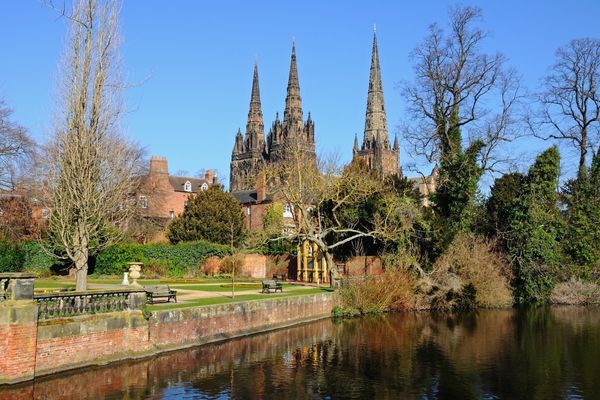
Lichfield cathedral in front of a pool

WHAT'S IN A NAME?

The Roman settlement at Wall was known as 'Letocetum', but what did it mean?

Close up of the Welsh flag with a red dragon on white and green background

WALL IN POETRY

Marwnad Cynddylan was written in the 17th century by Llywarch Hen, but how is it linked?
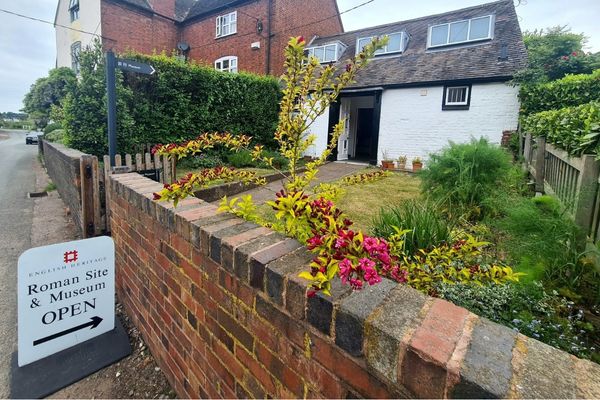
White cottage with flower garden and a sign in front saying Roman Site and Museum Open

VIRTUAL MUSEUM

If you can't make it to our museum, have a look around our virtual museum.

You can find more information in a guide book available from the Museum or from English Heritage. If you would like a guided walk around the village you can find heritage walk leaflets for just 20p available at the village car park. You can get these at any time. Friends of Letocetum also organise guided walks throughout the year, which we advertise on this site and on social media.

N.B. The walk has no connection with the Friends of Letocetum, English Heritage or National Trust. The guided walk was a project created by Green Arc Aggregates Levy Fund, part of Staffordshire County Council.